
“The study of geography is about more than just memorizing places on a map. It’s about understanding the complexity of our world, appreciating the diversity of cultures that exists across continents. And in the end, it’s about using all that knowledge to help bridge divides and bring people together.”
– President Barack Obama
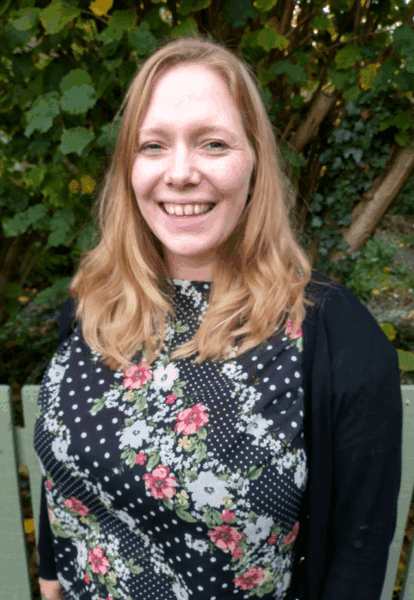
A message from our Subject Lead:
”I am proud to be the Geography Lead at Willow Farm Primary.
Geography is important to me because it helps children understand the world they are growing up in. It encourages curiosity and a sense of wonder, while helping pupils make sense of places, people and environments both locally and globally.
Through geography, children learn about the beauty of the natural world, how landscapes are shaped, and how human actions can affect the planet. They also develop practical skills such as reading maps, exploring their surroundings and recognising connections between different parts of the world.
Most importantly, geography helps children recognise that they are part of a wider global community and that their choices can have an impact.”
Mrs Knight, Geography Lead
Geography at Willow Farm
At Willow Farm Primary, we believe geography plays a vital role in helping children develop an understanding of the world and their place within it. We want our pupils to appreciate the diversity and beauty of the Earth, understand how environments change over time, and recognise how people interact with the natural world.
Our geography curriculum encourages pupils to explore their local area before broadening their understanding to the United Kingdom, Europe and the wider world. Through this, children develop a global perspective while building a strong connection to their local community.
The curriculum is knowledge-rich and carefully sequenced, allowing pupils to build on prior learning and revisit key concepts over time. This approach helps children deepen their understanding of geographical knowledge, vocabulary and skills as they progress through school.
Through geography, pupils develop knowledge and understanding in the following areas:
Locational Knowledge
-
Naming and locating countries, continents and oceans
-
Understanding the position and significance of places in the UK, Europe and the wider world
Place Knowledge
-
Identifying similarities and differences between places
-
Exploring the human and physical characteristics of different locations
Human and Physical Geography
-
Recognising key physical features such as rivers, mountains, coasts and climates
-
Understanding human features including settlements, land use and economic activity
-
Exploring how human activity can affect environments both positively and negatively
Geographical Skills and Fieldwork
-
Using maps, atlases, globes and digital mapping to locate places and identify features
-
Using geographical vocabulary, symbols and keys accurately
-
Observing, measuring, recording and presenting geographical information
-
Carrying out fieldwork in the local area to deepen understanding of place
By the time pupils leave Willow Farm Primary, they have developed a secure foundation of geographical knowledge and skills, alongside a curiosity about the world and an understanding of how people and environments are connected.