
“A story can be told in a thousand different ways.”
— Beatrix Potter
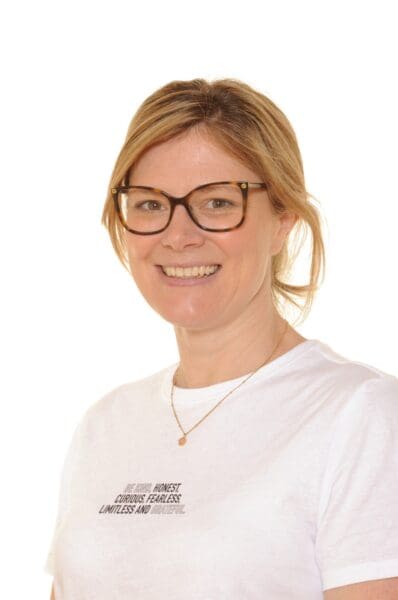
A message from our Subject Leader:
”At Willow Farm Primary School, we value English as a core subject that develops children’s love of reading, writing and discussion. A key priority is ensuring that children are confident communicators who enjoy using language and can express their ideas clearly.
All English lessons are built around high-quality texts, carefully chosen to inspire, engage and challenge children. We are a Talk for Writing school and this approach is used consistently from EYFS to Year 6. Talk for Writing places oracy at the heart of learning, enabling children to internalise rich language through storytelling, actions and drama before applying this understanding in their own writing.
Through the Talk for Writing approach, children learn how texts are structured, build ambitious vocabulary and develop confidence as writers. Lessons follow a clear journey from imitation, through innovation, to independent writing, supporting all learners to succeed. This inclusive approach ensures that children are well supported, challenged appropriately and proud of their writing.
Reading is woven throughout our English curriculum, with a strong emphasis on high-quality texts and opportunities to read for pleasure. We are incredibly proud of our school library, which provides a welcoming space for children to explore books and develop a lifelong love of reading.
Through consistent, high-quality English teaching and a strong focus on talk, we ensure that children leave Willow Farm Primary School as confident readers, writers and communicators.”
-Mrs Blakey, English Lead
Talk for writing
We have introduced the ‘Talk for Writing’ approach to writing developed by educational writer, Pie Corbett. It is fun, creative yet also rigorous and has a proven record of accelerating children’s learning.
It starts with enjoying and sharing stories. Throughout the school, we place a strong emphasis on children reading stories and enjoying a range of literature. Through regular reading, we want children to build up an extensive and rich vocabulary for use in their own writing.
Talk for Writing is powerful because it enables children to imitate the language they need for a particular topic orally before reading and analysing it and then writing their own version. It is built on three stages of teaching:
1) Imitation – the children learn a text and the language they need
2) Innovation – the children adapt the model text with ideas of their own
3) Invention – the children create their own text using the language and skills that the model taught them.
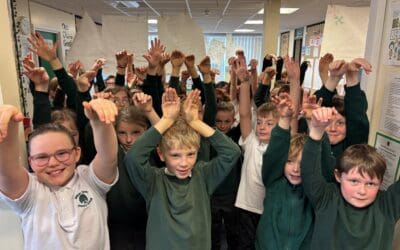
During the initial ‘imitation‘ stage of Talk for Writing, a text (fiction and non-fiction) is introduced and read to the children. Together they learn to tell the story off by heart. To help them remember the text a multi-sensory approach is used. They retell a text with prosody, expression and actions and use a visual text map to support their retelling. As children learn the text word for word, they build up a bank of interesting vocabulary, phrases and types of plot which they can then use in their own writing. The principle is that if a child can tell a story, they will be able to write a story.
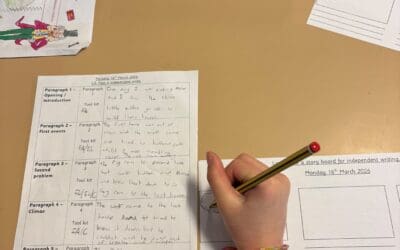
Once the story is learnt, children are encouraged to adapt it. At this ‘innovation‘ stage, children make the story their own. They could start with a simple change of character or for older children it may involve telling the story from a different view point. They will make changes to their story map and rehearse retelling their innovated story orally. They will then write out the innovated story in manageable sections and will receive feedback from the teacher. There is an opportunity to respond to this marking before they go on to write the next section. These daily short burst writing sessions also give the children time to practice their handwriting, grammar, spelling and punctuation. This very supportive and structured approach allows children to gain confidence and know what they need to do in order to get better.
The final stage is the ‘invention‘ stage where the children use all the skills they have learnt to write an independent piece. There is the freedom to draw upon their own ideas and experiences, or they can ‘hug closely’ to the shared text should they need to.